Discover the Rich Flavors of Indian Food: A Trip Via Famous Indian Food
Indian food uses a tapestry of traditions and tastes. Each recipe has its very own tale, woven via background and local influences. From the fragrant biryanis to the abundant curries, every bite presents a brand-new experience. Chicken tikka masala. Street food records the significance of neighborhood culture, while vegetarian options showcase the variety of active ingredients. Beneath these dynamic recipes lies a deeper relevance. What cultural narratives and routines are intertwined with these cooking thrills?
The Aromatic World of Biryani
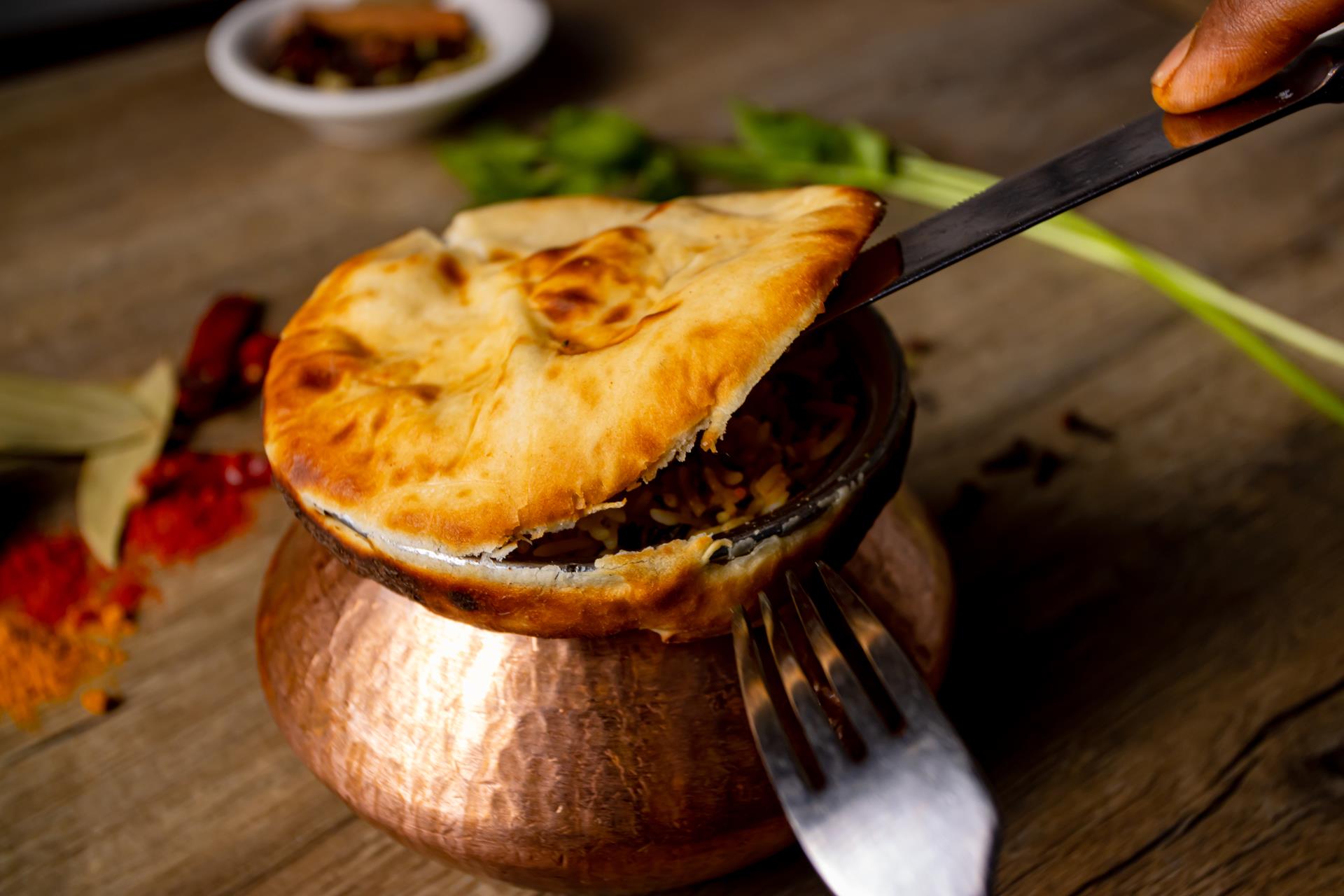
Biryani, a aromatic and savory rice recipe, stands as a hallmark of Indian food. This cooking masterpiece integrates basmati rice with highly skilled meat, fish, or vegetables, enveloped in a variety of fragrant seasonings. Originating from the Persian word "birinj," suggesting rice, biryani's roots trace back to the Mughal age, where it advanced right into various regional adaptations across India.
Each area has its distinct take, from the Hyderabadi biryani, understood for its spicy kick, to the Lucknowi (Awadhi) variation, identified by its refined tastes. The food preparation method is frequently sophisticated, with layers of marinated components and rice cooked together, enabling the flavors to combine perfectly. Offered with raita or salad, biryani not just thrills the palate however also embodies the rich cultural tapestry of India. Its enduring popularity is a representation of its versatility and the ability needed to prepare this cherished meal.
Savoring the Spice: Curry Varieties Across India
Curry ranges throughout India showcase a rich tapestry of regional distinctions and trademark seasonings. Each area boasts its distinct flavors, affected by neighborhood active ingredients and cooking customs. Recognizing these distinctions exposes the complexity and deepness of Indian food, highlighting just how flavors transform simple recipes right into remarkable experiences.

Regional Curry Distinctions
While checking out the huge landscape of Indian cuisine, one rapidly discovers the amazing diversity of local curry distinctions that identify the nation's cooking heritage. Each region boasts its unique interpretation of curry, affected by neighborhood components and customs. In the north, velvety, tomato-based curries like Butter Poultry preponderate, while the south offers a vivid selection of coconut-infused meals, such as Kerala's Fish Curry. The east showcases mustard oil and poppy seed tastes in Bengali curries, while the west is understood for its spicy and tangy Vindaloo from Goa. Additionally, the northwest offers abundant, slow-cooked meat curries, exemplifying the durable tastes of Punjabi cuisine. This abundant tapestry of curry designs reflects India's social and geographical diversity, making each recipe an experience by itself.
Signature Spices in Curries
The variety of regional curries in India is not only formed by local active ingredients yet likewise by the trademark flavors that define each recipe. In the north, garam masala-- a blend of cardamom, cloves, and cinnamon-- provides heat and depth to abundant gravies. Conversely, southerly curries usually feature tamarind and coconut, stabilizing flavors with tangy sweet taste. In the east, mustard seeds and poppy seeds produce a distinct taste profile, while the west welcomes the heat of red chili and the earthiness of cumin. Each area's distinct seasonings contribute to the total character of curries, mirroring the culture and customs of its people. Comprehending these spices uses a much deeper recognition for the intricate art of Indian cooking.
Road Food Sensations: A Taste of Regional Joys
What makes Indian street food a cooking journey unlike any type of various other? It depends on the dynamic tastes, diverse components, and local specialties that integrate to create a remarkable experience. From the bustling streets of Mumbai to the vivid markets of Delhi, street food vendors use a selection of tantalizing bites that mirror local culture and customs.
Popular recipes such as pani puri, a crunchy hollow shell filled with spiced water, and vada pav, a spicy potato fritter sandwich, showcase the combination of preferences that Indian cuisine is renowned for. The crackling noises of food being prepared and the attracting scents wafting with the air reel in enthusiastic food enthusiasts. Each bite narrates, connecting individuals to the rich tapestry of Indian heritage. Street food serves not just as a dish yet as a party of neighborhood, making it a vital part of India's cooking landscape.
Vegan Marvels: Commemorating Plant-Based Recipes
Indian food is commemorated for its abundant variety, and vegetarian dishes play a popular function in this delicious tapestry. With an extensive cultural heritage, India uses a myriad of plant-based choices that provide to different tastes and choices. Recipes like paneer tikka, made from fresh cheese seasoned in seasonings, exhibit the depth of flavors achievable without meat. Lentils, or dal, are staples across the nation, giving hearty nutrition together with spices that enhance their taste.
Vegan curries, such as chana masala and aloo gobi, display the convenience of veggies, transforming them right into luxurious meals. Additionally, regional specializeds like dosas and idlis highlight the relevance of grains and beans in Indian diet plans. These offerings not only celebrate the vegan tradition yet additionally stress sustainability and health and wellness. Ultimately, Indian vegan food invites everyone to appreciate its abundant flavors while recognizing the plant-based bounty of the land.
Pleasant Ends: Conventional Indian Treats
Wonderful and try this web-site differed, conventional Indian desserts supply a wonderful verdict to any type of dish, showcasing a special mix of flavors and appearances. Legendary treats such as gulab jamun, little deep-fried dough spheres taken in rose-flavored syrup, characterize extravagance. Jalebi, a spiral-shaped sweet soaked in syrup, supplies a crispy yet syrupy experience. Another precious treat, rasgulla, consists of soft cheese spheres submersed in a light syrup, embodying simplicity and sweet taste.
Rich and creamy, kheer, a rice dessert seasoned with cardamom and garnished with nuts, highlights the use of dairy in Indian sugary foods. The varied areas of India contribute their specialties, like the nutty flavors located in burfi and the zesty allure of aam ras, showcasing the culinary heritage. Each dessert reflects a tapestry of practices, making them a vital part of Indian food and a joy for the taste.
The Cultural Relevance of Indian Food Traditions
Indian food customs play a main role in the country's routines and celebrations, symbolizing area and event. Each area adds its special tastes and methods, mirroring the varied cultural landscape of India. This culinary selection not only nourishes the body however additionally fosters a feeling of sushi near me belonging and identification amongst its individuals.
Events and Food Rituals
Events in India act as vibrant parties that link food and society, showcasing the abundant tapestry of traditions that define the subcontinent. Each festival, whether Diwali, Eid, or Pongal, produces a special variety of meals that carry deep cultural significance. Food rituals throughout these celebrations typically include intricate prep work and common feasting, representing unity and appreciation. Throughout Navratri, supporters prepare certain vegan recipes to honor the siren Durga, while the sharing of sugary foods during Eid mirrors happiness and community spirit. These cooking methods not only commemorate the event but additionally transfer values, tales, and heritage across generations. Festivals offer as an important web link between food and the social identity of the varied Indian populace.
Regional Culinary Diversity
Often Asked Inquiries
What Are the Health Conveniences of Indian Spices?
Indian spices use numerous health and wellness advantages, including anti-inflammatory residential or commercial properties, enhanced food digestion, and enhanced metabolic process. Turmeric extract, ginger, and cumin are noteworthy instances that add to general health and might help in taking care of chronic illness properly.
How Can I Recreate Indian Dishes in your home?
To recreate Indian meals in the house, one can collect genuine spices, follow standard dishes, and make use of cooking techniques like slow simmering pop over to this web-site (Mango lassi). Trying out active ingredients and tastes boosts the total cooking experience while ensuring authenticity
What Are Common Irritants in Indian Food?
Usual irritants in Indian food include gluten from wheat, dairy products from ghee and yogurt, nuts like cashews and almonds, and specific legumes such as lentils. Awareness of these active ingredients is essential for those with allergic reactions.
How Does Indian Food Vary by Area?
Indian food varies considerably by region, influenced by local active ingredients, climate, and social traditions. Northern dishes frequently feature milk and bread, while southerly food emphasizes rice and fish and shellfish, showcasing the nation's varied culinary landscape.
Exist Vegan Options in Typical Indian Food?
Yes, conventional Indian cuisine supplies many vegan options. Staples like lentils, chickpeas, vegetables, and rice are widespread, while meals such as chana masala, aloo gobi, and different curries cater to those looking for plant-based dishes.
Biryani, a delicious and aromatic rice dish, stands as a trademark of Indian cuisine. While discovering the huge landscape of Indian cuisine, one quickly uncovers the amazing variety of regional curry distinctions that define the country's cooking heritage. Popular dishes such as pani puri, a crunchy hollow shell filled up with spiced water, and vada pav, a spicy potato fritter sandwich, showcase the blend of tastes that Indian food is renowned for. Indian cuisine is commemorated for its rich diversity, and vegan meals play a prominent function in this flavorful tapestry (Best indian near me). To recreate Indian meals at home, one can gather authentic seasonings, comply with typical recipes, and use cooking strategies like slow simmering